

Data has become a central asset for modern businesses, but turning raw information into actionable insights often requires expert guidance. As organizations in India continue to adopt data-driven decision-making, understanding the cost of data consulting services in 2026 becomes essential for planning and scalability. Pricing is influenced by multiple factors, including project scope, tools, expertise, and long-term business goals, making it important to approach budgeting with clarity and strategy.
What is the average cost of data consulting services in India in 2026?
The average cost of data consulting services in India varies widely depending on the complexity and scale of the project. Businesses can expect hourly rates ranging from ₹2,000 to ₹12,000 based on expertise and specialization. Small-scale analytics projects such as dashboard creation or reporting systems typically fall within ₹80,000 to ₹5 lakh. Mid-sized projects involving data integration and business intelligence implementation can cost between ₹5 lakh to ₹25 lakh. Large enterprise-level data strategy, AI integration, and cloud data architecture projects may exceed ₹50 lakh or more annually.
Key pricing models used in data consulting
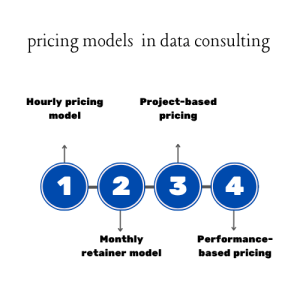
Hourly pricing model
This model is suitable for short-term tasks or exploratory data analysis where requirements may evolve over time. Businesses are billed based on the number of hours spent by consultants on the project. It provides flexibility but may lead to unpredictable costs if scope is not clearly defined. This approach is often used for troubleshooting, audits, or advisory sessions.
Project-based pricing
Project-based pricing is ideal for well-defined deliverables such as building dashboards or implementing data pipelines. A fixed cost is agreed upon before the project begins, providing cost certainty for businesses. This model encourages clear planning and defined outcomes from both parties. It is widely used for structured data consulting engagements.
Monthly retainer model
In this model, businesses pay a fixed monthly fee for ongoing data consulting support and optimization. It is beneficial for companies that require continuous monitoring, reporting, and strategy adjustments. This ensures consistent access to expertise without repeated onboarding. It works well for long-term data-driven decision-making processes.
Performance-based pricing
This model ties consulting fees to measurable business outcomes such as revenue growth or efficiency improvements. It aligns the consultant’s incentives with the client’s success metrics. However, it requires clear KPI definitions and tracking mechanisms. It is less common but highly effective in results-driven environments.
Why do data consulting costs vary across projects?
Data consulting costs are not fixed because each business operates with different data maturity levels and objectives. Factors such as data quality, integration complexity, and required technologies significantly impact pricing. Projects involving unstructured or fragmented data often require more time for cleaning and preparation. Additionally, advanced requirements like predictive analytics or machine learning increase both effort and expertise needed. Geographic location, industry requirements, and compliance standards also contribute to cost variations.
Factors affecting data consulting pricing in India
- Complexity of data architecture and analytics requirements
- Volume and quality of available business data
- Tools and platforms such as BI tools, cloud systems, or AI frameworks
- Experience level of data consultants and domain expertise
- Duration and scope of the project engagement
- Integration with existing business systems and workflows
- Need for ongoing maintenance, updates, and optimization
How to estimate the budget for data consulting services?
Define business objectives clearly
Start by identifying what you want to achieve with data, whether it is better reporting or predictive insights. Clear objectives help in narrowing down the scope and avoiding unnecessary expenses. It also allows consultants to propose accurate solutions aligned with goals. This step reduces ambiguity and improves cost efficiency.
Assess current data maturity
Understanding the current state of your data infrastructure is essential before estimating costs. Businesses with organized and clean data spend less on preparation and transformation. Those with scattered or incomplete data require additional effort and resources. This directly impacts the overall budget.
Choose the right engagement model
Selecting between hourly, project-based, or retainer models influences total spending significantly. Short-term needs may benefit from hourly pricing, while long-term strategies require retainers. A well-matched model ensures better financial planning. It also improves resource utilization.
Consider technology and tools
Different tools come with varying licensing and implementation costs that must be included in the budget. Advanced analytics platforms and cloud infrastructure increase initial investment. However, they may provide better scalability and performance. Balancing cost and capability is important.
Plan for scalability
Budgeting should not only focus on current needs but also future growth and data expansion. Scalable solutions may have higher upfront costs but reduce long-term expenses. This approach avoids repeated system upgrades or migrations. It ensures sustainable data consulting investments.
Cost comparison based on business size
Startups usually invest between ₹4 lakh to ₹10 lakh annually for basic analytics and reporting setups. Small and medium-sized businesses often spend ₹10 lakh to ₹40 lakh depending on their data integration and business intelligence needs. Enterprises require comprehensive data strategies, often exceeding ₹40 lakh to ₹1 crore or more annually. Larger organizations also incur additional costs for governance, compliance, and advanced analytics capabilities. The scale of operations and data complexity directly influence these cost brackets.
How can businesses reduce data consulting expenses?
Businesses can reduce costs by clearly defining project requirements before engaging consultants. Investing in data quality early helps minimize time spent on cleaning and preparation. Choosing scalable and cost-effective tools prevents unnecessary overspending on technology. Phased implementation allows gradual investment instead of large upfront costs. Leveraging existing internal resources alongside consultants can also optimize spending. Regular monitoring of project scope helps avoid cost overruns and inefficiencies.
Common hidden costs in data consulting projects
Many organizations overlook additional expenses that arise during data consulting engagements. These include data cleaning and preprocessing, which can consume significant time and resources. Tool licensing fees for analytics platforms and cloud services often add to the total cost. Integration with legacy systems may require extra development effort. Ongoing maintenance, updates, and performance optimization also contribute to long-term expenses. Training teams to use new data systems is another often underestimated cost.
Conclusion
Understanding the cost of data consulting services in India in 2026 requires a comprehensive view of pricing models, project requirements, and long-term business goals. Costs can vary significantly based on complexity, tools, and expertise, making it essential to plan strategically. By evaluating business needs, choosing the right engagement model, and accounting for hidden expenses, organizations can make informed investment decisions. Ultimately, selecting the right data consulting firm plays a critical role in ensuring effective implementation, sustainable growth, and maximum return on data-driven initiatives.
Frequently Asked Questions (FAQs)
- what factors influence the cost of data consulting services in india for growing businesses
The cost is influenced by project complexity, data quality, and the type of analytics required. Advanced solutions like predictive analytics or AI integration typically increase pricing due to higher expertise and time involved. - how do businesses choose the right data consulting pricing model for their needs
Businesses should evaluate project scope, duration, and flexibility requirements before choosing a pricing model. Fixed pricing works well for defined goals, while retainers are better for ongoing data strategy and optimization. - why is data quality important when estimating data consulting project costs
Poor data quality increases the time required for cleaning, structuring, and validation. This directly impacts the overall cost, making data preparation a significant part of consulting efforts. - how much do small and medium businesses typically spend on data analytics consulting in india
Small and medium businesses usually invest based on their data maturity and goals. Costs generally include setup, integration, and reporting systems tailored to support better decision-making. - what hidden costs should companies consider in data consulting engagements
Hidden costs often include tool licensing, cloud infrastructure, and system integration. Ongoing maintenance and team training can also add to the total investment over time. - how can companies optimize their budget for data consulting and analytics services
Clear planning, phased implementation, and selecting the right tools can reduce unnecessary expenses. Aligning consulting efforts with business goals ensures better cost efficiency and long-term value.